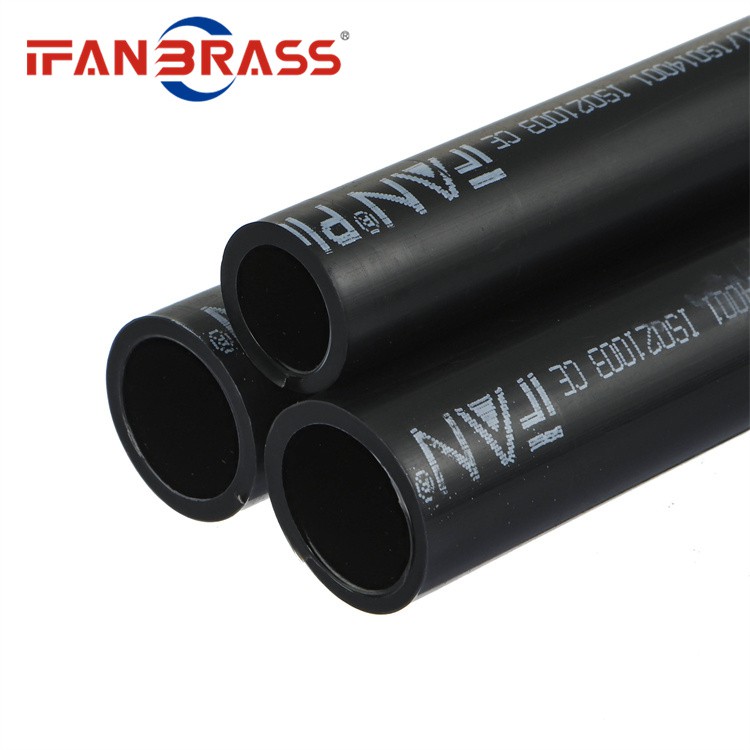
The manufacturing methods of PEX pipes include the following: Engel method, also known as peroxide method. In the manufacturing process, a cross-linking medium peroxide is used to form chemical bonds between the long molecular chains of polyethylene through high temperature and high pressure. of cross-linking. This cross-linking method is named PX-a. Silane Method: During extrusion, silane is mixed into the raw material. Polyethylene chains are combined with silicon molecules and are classified as PX-b; the amount of antioxidants in the material is one of the most important factors affecting the life of the pipe. Radiation method: The polyethylene is irradiated with γ or β rays to form a physical crosslink, which is called PX-c; Azo method: The crosslink is formed through an azo medium, which is called PX-d. commercial production. The commercialized PEX pipes are currently the first three, and the performance of the three types of PEX pipes is not exactly the same, mainly in the heat resistance (thermal strength), creep resistance and stress cracking resistance. There are certain differences. Generally speaking, in the macromolecular structure, the thermal motion of macromolecules with two-dimensional network structure is relatively easy, and the thermal motion of macromolecules with three-dimensional body structure is slightly more difficult. The macromolecules of PEXA are dominated by two-dimensional network structures, while the macromolecules of PEXB and PEXC are dominated by three-dimensional body structures. Therefore, when the same polyethylene is used as the base material, when the degree of crosslinking is the same, the heat resistance, creep resistance and stress crack resistance of PEXB and PEXC are higher than those of PEXA. Increasing the degree of cross-linking of the PEXAs reduces this difference.