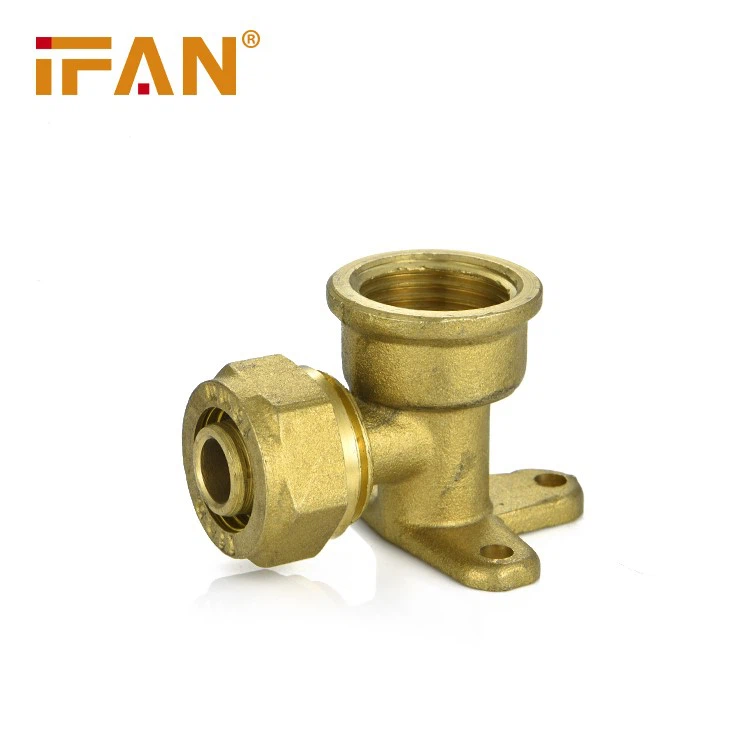
Cleaning and removal of oxidation: Use appropriate cleaning agents or methods, such as a mixture of vinegar and salt or lemon juice, to clean the oxidation from the copper fittings. Gently wipe with a soft cloth or sponge to ensure no scratching of the surface.
Mechanical removal: For stubborn oxidation, gently rub with fine sandpaper or emery cloth to remove the oxidation and restore surface shine. Exercise caution to avoid damaging the surface of the fittings.
Use of chemical cleaners: Some commercial chemical cleaners are effective in removing oxidation from copper fittings. However, ensure to follow the instructions of the cleaner and thoroughly rinse after use to prevent residues affecting water quality or pipes.
Prevention of re-oxidation: Once the oxidation is removed, consider applying a protective layer of clear varnish or wax to the surface to prevent re-oxidation. Additionally, keeping the surface of the fittings dry and reducing exposure to moist environments helps minimize the risk of re-oxidation.
Regular maintenance: Periodically inspect the surface of copper fittings to promptly identify and address any new signs of oxidation. Regular cleaning and maintenance of the pipes can prolong the lifespan of the fittings and maintain their appearance.
Please note to handle copper fittings with care and avoid using overly harsh chemicals or methods to prevent surface damage or impact on water quality.