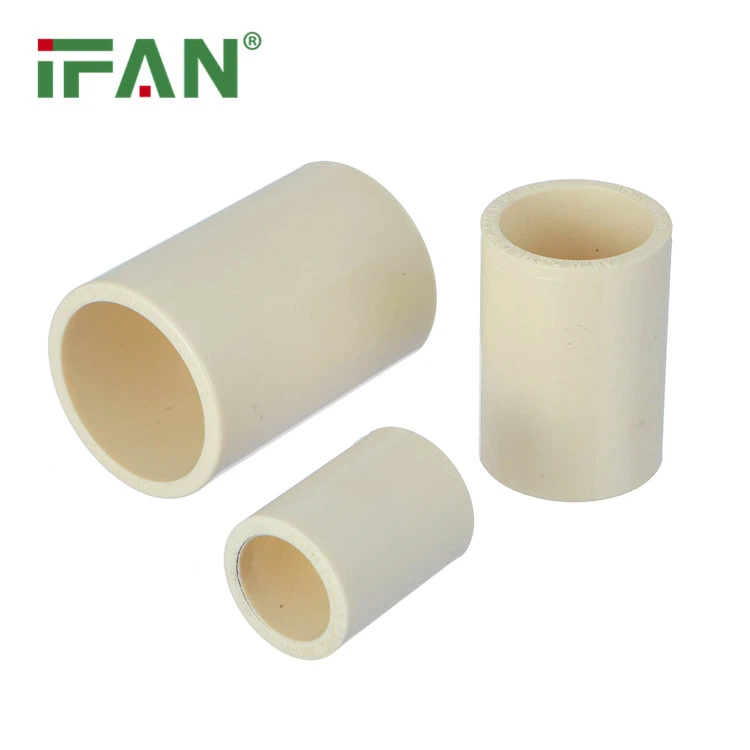
Why are there frequent problems when purchasing PVC pipe fittings? The size of the purchased rigid PVC pipe does not meet the corresponding size required for the construction. When the size of the purchased rigid PVC pipe is larger than the required size, after the adhesive is applied, the gap will be too small, and only a part can be inserted. It cannot be inserted in place, resulting in disjointed water leakage during the pressure test of the rigid PVC pipe. When the size of the purchased rigid PVC pipe is smaller than the required size, the gap will be too large. If the gap is filled with adhesive, the PVC pipe will not be bonded tightly, and it will also lead to disconnection and water leakage. Therefore, the size of the selected hard PVC pipe should be half to one-third of the specified depth according to the depth, and the appropriate clearance of the pipe and pipe fittings should ensure a good bonding effect of the PVC pipe, so as to avoid the occurrence of water leakage. The rigid PVC pipes are not stacked properly, resulting in the deformation of the socket part of the pipe. The stacking of hard PVC pipes must be operated in accordance with the technical regulations. If the stacking is not standardized or the long-term stacking is too high, the socket part will become elliptical, resulting in failure to insert them or the local gap is too large. After bonding, the shear strength will be reduced. , resulting in leakage of rigid PVC pipes. Use the adhesive that does not meet the requirements. The adhesive is made of perchlorinated vinyl resin and other organic solvents in a certain proportion. The shear strength of the bonded joint should not be lower than 5MPa. If the inferior adhesive that does not meet the requirements is used, water leakage of the PVC pipe is an inevitable phenomenon. Improper installation of hard PVC pipes by construction personnel is the most common cause of water leakage in hard PVC pipes. Many on-site personnel have no experience in the installation of rigid PVC pipes, and directly apply the construction technology of other pipes or the on-site operation is not standardized, resulting in disjointed pipes and water leakage.