
Brass fittings are widely used in plumbing, heating, and industrial systems due to their strength, corrosion resistance, and aesthetic appeal. However, over time, even brass fittings can be affected by factors such as exposure to moisture, air, chemicals, and high temperatures. To ensure these fittings maintain their functionality and visual appeal, proper surface treatment and protective techniques are essential. This article explores the various surface treatment methods for brass fittings, provides maintenance tips for long-lasting protection, and compares two prominent brands-IFAN and PALCONN-to highlight the superior quality of IFAN brass fittings.
The Importance of Surface Treatment for Brass Fittings
Surface treatment is a critical process for enhancing the performance and longevity of brass fittings. Although brass naturally offers some resistance to corrosion, its appearance and performance can be compromised when exposed to harsh environments. Surface treatment methods, such as coatings, polishing, and chemical treatments, help to protect brass fittings from tarnishing, corrosion, and wear, ensuring that they maintain their aesthetic appeal and functional integrity.
Without proper surface treatment, brass fittings may develop a patina or discoloration due to the oxidation of copper, which can negatively affect their performance, especially in plumbing and industrial systems. A good surface treatment can protect brass from chemical reactions, prevent rusting, and improve its resistance to environmental stressors, ultimately extending the lifespan of the fitting and reducing the need for frequent maintenance.
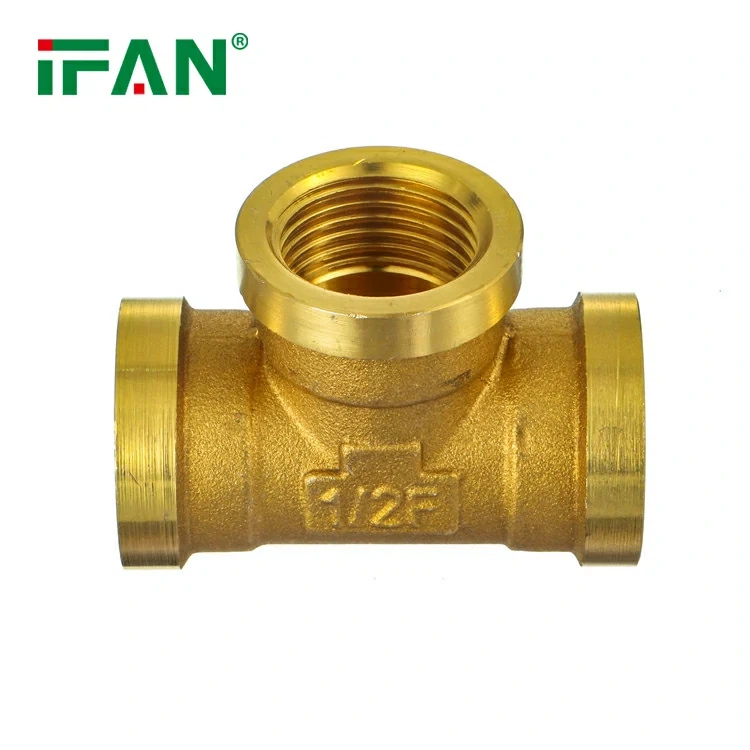
Common Surface Treatment Methods for Brass Fittings
There are several methods for treating and protecting the surface of brass fittings. These treatments can either be applied during the manufacturing process or as part of regular maintenance. Below are some of the most common surface treatment techniques:
Electroplating
Electroplating is a popular method for applying a thin layer of another metal, such as nickel, chrome, or zinc, onto the brass fitting. This process significantly enhances the brass fitting's resistance to corrosion, tarnishing, and wear. Nickel plating is particularly effective for improving the aesthetic qualities of the fitting, giving it a shiny, durable finish. Electroplating also provides a smoother surface that resists chemical reactions, making it suitable for harsh environments like marine applications or areas exposed to chemicals.
Clear Lacquer Coating
Clear lacquer or polyurethane coatings are often applied to brass fittings to create a protective layer that prevents oxidation and tarnishing. These coatings are transparent, allowing the natural beauty of the brass to shine through while providing a barrier against moisture and air. Clear lacquer coatings are ideal for fittings used in decorative or high-visibility applications, such as faucets, door hardware, and fixtures, as they maintain the brass's appearance while safeguarding it from environmental damage.
Chemical Patination
Chemical patination is a method of creating a protective oxide layer on the surface of brass, giving it a greenish or brown patina. This process helps protect the brass from further oxidation and corrosion. While some may consider patina undesirable for aesthetic reasons, others appreciate the rustic look that develops over time. Chemical patination is particularly useful for decorative brass fittings, where the appearance is meant to evolve and mature naturally.
Chromate Conversion Coating
Chromate conversion coatings, also known as chromating, involve the application of a thin layer of hexavalent or trivalent chromium salts on the brass surface. This technique provides excellent corrosion resistance, especially in environments exposed to moisture or saltwater. Chromate-coated brass fittings are highly resistant to oxidation and corrosion, making them ideal for industrial and outdoor applications where environmental stressors are more severe.
Polishing and Buffing
Polishing and buffing are mechanical processes that smooth and shine the brass surface, removing oxidation, stains, and other imperfections. Regular polishing can help maintain the brass's luster and prevent discoloration. Additionally, polished brass is less likely to trap dirt and grime, making it easier to clean and maintain. While this technique does not provide the same long-term protection as coatings or electroplating, it can significantly enhance the appearance of brass fittings.
Regular Maintenance Tips for Brass Fittings
Maintaining the surface treatment of brass fittings is just as important as applying the initial treatment. Regular maintenance helps to preserve the finish, prevent wear, and extend the life of the fitting. Here are some key maintenance tips for keeping brass fittings in top condition:
Routine Cleaning
Brass fittings should be cleaned regularly to prevent the buildup of dirt, grime, and moisture that can cause corrosion. Use a soft cloth or sponge with a mild soap solution to wipe down the fittings, avoiding harsh abrasives that could damage the surface. After cleaning, polish the fittings with a brass cleaner or a homemade mixture of vinegar and salt to restore the shine.
Reapplying Protective Coatings
Over time, protective coatings, such as clear lacquer or electroplating, can wear off due to exposure to the elements. It's important to inspect brass fittings periodically and reapply the coating if necessary. This ensures that the fitting remains protected against oxidation, tarnishing, and corrosion.
Avoiding Exposure to Harsh Chemicals
Brass fittings should be kept away from harsh chemicals that can damage the surface. For instance, acidic cleaners or bleach can corrode brass, leading to discoloration and weakened structural integrity. Always use brass-friendly cleaners and chemicals, especially when maintaining fittings in high-traffic or industrial settings. IFAN factory 30+ years manufacture experience support color /size customization support free sample.Welcome to consult for catalog and free samples.This is our Facebook Website:www.facebook.com,Click to watch IFAN's product video.Our IFAN products from quality to price are your best choice, welcome to buy!
Proper Storage
When brass fittings are not in use, they should be stored in a dry, cool, and well-ventilated area to prevent moisture accumulation. Packaging fittings in protective covers or plastic bags can also help shield them from environmental pollutants and dust.
IFAN Brass Fittings vs. PALCONN Brass Fittings
When choosing brass fittings for your plumbing or industrial needs, the brand you select can make a significant difference in terms of quality, durability, and surface protection. IFAN and PALCONN are two leading manufacturers of brass fittings, but there are notable differences in their offerings.
IFAN Brass Fittings are known for their superior quality and advanced surface treatment techniques. IFAN uses high-grade brass alloys and applies cutting-edge surface treatments, such as nickel plating and clear lacquer coatings, to ensure that their fittings offer optimal protection against tarnishing, corrosion, and wear. The electroplated finish of IFAN brass fittings not only improves corrosion resistance but also enhances the aesthetic appearance, providing a shiny, long-lasting finish that is easy to maintain.
In contrast, PALCONN Brass Fittings generally use more standard brass alloys and surface treatments. While they still provide a reliable product, their fittings may not offer the same level of resistance to environmental stressors as IFAN's. PALCONN fittings may require more frequent cleaning and maintenance to maintain their appearance and performance. The protective coatings on PALCONN products are also less advanced, which could lead to quicker wear over time, especially in harsh environments.
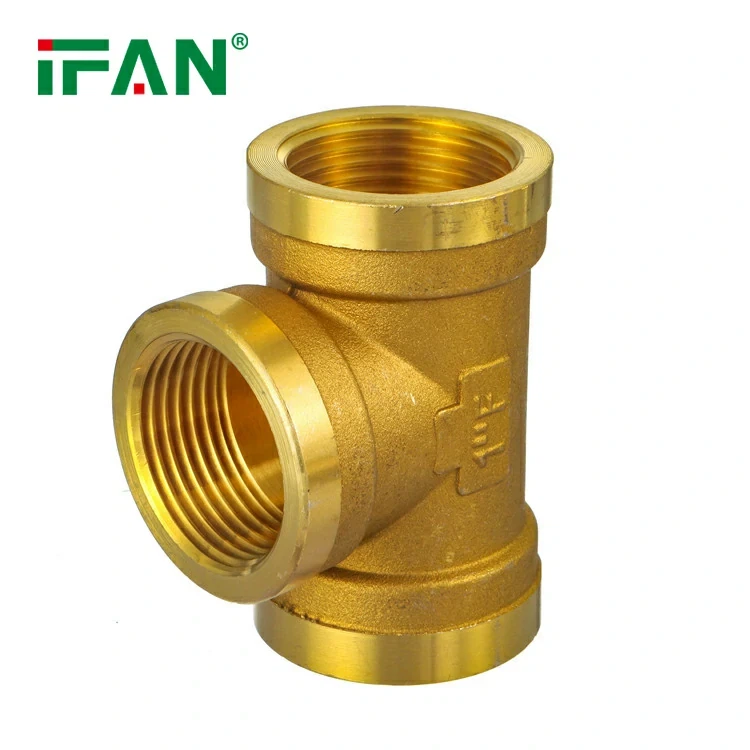
Why Choose IFAN Brass Fittings?
IFAN's commitment to quality and innovation sets it apart from competitors like PALCONN. By using superior materials, employing advanced surface treatments, and providing exceptional quality control, IFAN ensures that its brass fittings offer longer-lasting protection against corrosion, tarnishing, and wear. For customers who require reliable, durable, and low-maintenance fittings, IFAN is the clear choice. The longevity and durability of IFAN brass fittings make them a cost-effective solution over time, reducing the need for frequent replacements or repairs.
Conclusion
Proper surface treatment and maintenance are essential for extending the life of brass fittings and ensuring their continued performance. Techniques such as electroplating, clear lacquer coating, and polishing provide effective protection against tarnishing and corrosion. When comparing IFAN and PALCONN brass fittings, IFAN stands out for its superior surface treatment methods and high-quality materials, offering enhanced durability, corrosion resistance, and aesthetic appeal. By choosing IFAN brass fittings, you can ensure long-lasting, reliable performance with minimal maintenance.