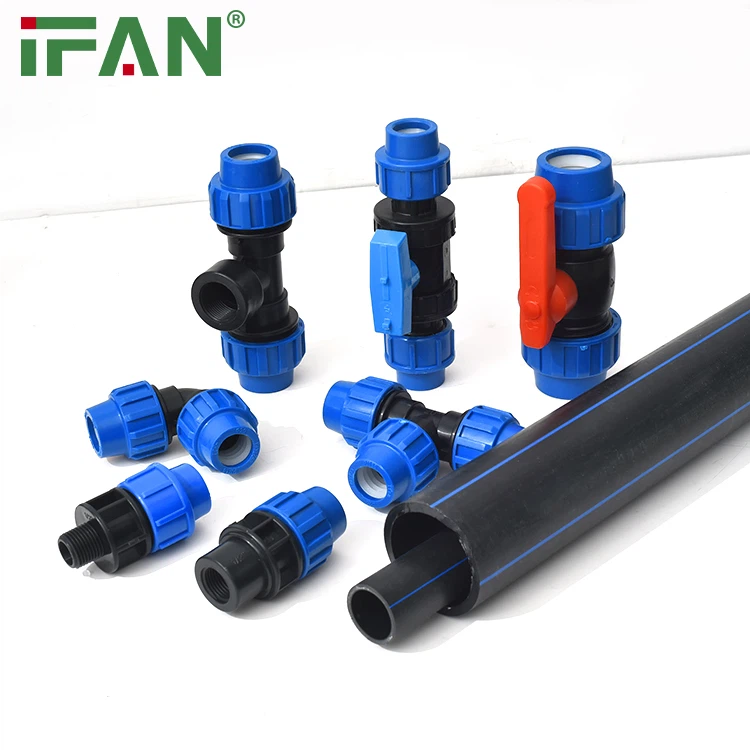
HDPE can be manufactured with a wide range of different processes. Using ethylene as the main raw material, propylene, 1-butene, and hexene as copolymers, under the action of a catalyst, the slurry polymerization or gas phase polymerization process is adopted, and the obtained polymer is subjected to flash evaporation, separation, drying, granulation, etc. process to obtain finished products with uniform particles. Including such as sheet extrusion, film extrusion, pipe or profile extrusion, blow molding, injection molding and rotational molding. HDPE is suitable for various molding processes of thermoplastic molding processing, and has good molding processability, such as injection molding, extrusion molding, blow molding, rotational molding, coating, foaming process, thermoforming, heat sealing welding, heat welding, etc. Grades for extrusion production generally have a melt index of less than 1 and a medium to broad MWD. During processing, low MI can obtain suitable melt strength. Wider MWD grades are more suitable for extrusion because they have higher production speeds, lower die pressures and a reduced tendency to melt fracture. PE has many extrusion applications such as wires, cables, hoses, pipes and profiles. Pipe applications range from small cross-section yellow pipes for natural gas to thick-walled black pipes for industrial and urban pipelines. Large diameter hollow wall pipe is growing rapidly as a replacement for concrete storm drains and other sewer lines. Sheets and Thermoforming: The thermoformed liners of many large picnic coolers are made of PE, which offers toughness, light weight, and durability. Other sheet and thermoformed products include fenders, tank liners, pan guards, shipping boxes and tanks. A large and rapidly growing sheet application is mulch or pool bottoms, which are based on MDPE's toughness, chemical resistance and impermeability.