
The purpose and characteristics of the thread:
Threads are used in a wide range of applications, ranging from airplanes and automobiles to water pipes and gas used in our daily lives. Most threads play a role in fastening connections, followed by transmission of force and motion. There are also some special-purpose threads, although there are many types, but their number is limited.
The use of the thread can last for a long time because of its simple structure, reliable performance, convenient disassembly, and ease of manufacture, making it an indispensable structural element in today's various electromechanical products.
According to the purpose of the thread, all kinds of threaded parts should have the most basic functions in the following two aspects: one is good screwability; the other is sufficient strength.
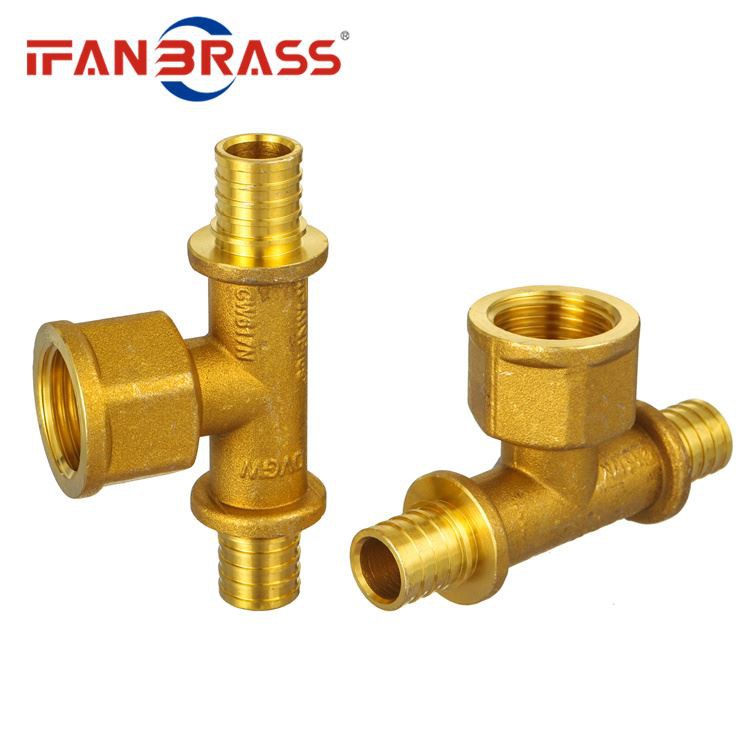
Classification of threads:
a. According to its structural characteristics and uses, it can be divided into four categories:
Ordinary thread (fastening thread): the tooth shape is triangle, used to connect or fasten parts. Ordinary threads are divided into coarse and fine threads according to the pitch, and the connection strength of fine threads is higher.
Transmission thread: the tooth shape is trapezoidal, rectangular, saw-shaped and triangular.
Sealing thread: used for sealing connection, mainly pipe thread, taper thread and taper pipe thread.
Special purpose thread, referred to as special thread.
b. Threads can be divided into:
metric thread (metric thread), inch thread, American thread, etc. according to regions (countries). We are accustomed to refer to inch thread and American thread as inch thread, and its profile angles are 60°, 55° The relevant thread parameters, such as diameter and pitch, adopt inch size (inch). In our country, the tooth profile angle is unified to 60°, and the diameter and pitch series in millimeters (mm) are used to name this type of thread: ordinary thread.

Basic terminology of thread:
Thread: On the surface of a cylinder or cone, a continuous protrusion with a prescribed tooth profile formed along a spiral line.
External thread: the thread formed on the outer surface of a cylinder or cone.
Internal thread: the internal thread formed on the inner surface of a cylinder or cone.
Major diameter: the diameter of an imaginary cylinder or cone tangent to the crest of the external thread or the bottom of the internal thread.
Minor diameter: the diameter of an imaginary cylinder or cone tangent to the bottom of the external thread or the top of the internal thread.
Middle Classic: The diameter of an imaginary cylinder or cone. The generatrix of the cylinder or cone passes through the grooves and protrusions on the tooth form where the width is equal. This imaginary cylinder or cone is called a median diameter cylinder or cone.
Right-hand thread: the thread that is screwed in when rotating clockwise.
Left-hand thread: the thread that is screwed in when rotating counterclockwise.
Thread angle: the angle between two adjacent flanks on the thread profile.
Pitch: the axial distance between two adjacent teeth on the pitch line corresponding to two points