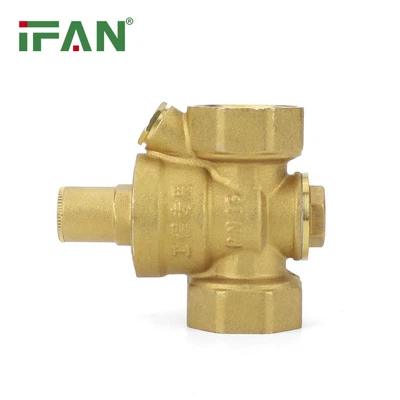
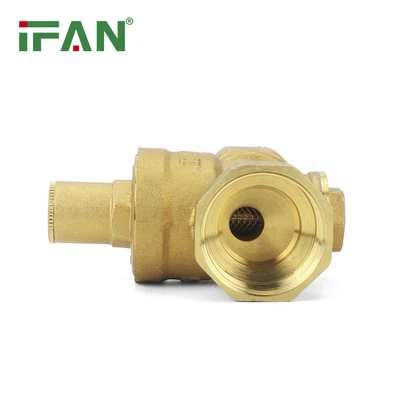
When a pressure regulator valve (PRV) fails, it can lead to a variety of issues in the plumbing system, which can affect both water pressure and the integrity of the pipes and appliances. Here's what typically happens when a PRV fails:
1. Water Pressure Becomes Too High:
One of the most common signs of PRV failure is excessively high water pressure. The PRV's job is to reduce the pressure from the water supply to a safer, consistent level for the plumbing system. When the valve fails, it can no longer regulate pressure effectively, leading to water entering the system at the same high pressure it is supplied.
Consequences of high pressure:
Pipes may burst due to excessive strain.
Fixtures like faucets, showerheads, and toilets may leak.
Appliances like water heaters, dishwashers, and washing machines can suffer damage or premature wear.
2. Water Pressure Becomes Too Low:
Sometimes a failed PRV can get stuck in a position that limits water flow, resulting in very low water pressure. This makes it difficult to use appliances or plumbing fixtures properly, with water trickling instead of flowing strongly.
Product Standard:ASTM F1974,ASTM F1281,CSA B137,DIN 16836,GB18997,ISO 21003
Consequences of low pressure:
Difficulty using showers, sinks, and other fixtures.
Appliances may not function properly due to lack of sufficient water flow.
3. Fluctuating Water Pressure:
In some cases, a failing PRV will cause inconsistent water pressure. You may experience sudden bursts of high pressure followed by weak flow, making it difficult to maintain consistent usage in the home or building.
This fluctuation can be frustrating and may also stress the plumbing system, leading to leaks and damage over time.
4. Noisy Pipes or Fixtures:
High pressure caused by a failed PRV can create noises in the plumbing system, such as banging, hammering, or whistling sounds. This is known as water hammer and occurs when the pressure is too high and causes shockwaves through the pipes. Over time, this can loosen fittings and cause leaks.
5. Increased Water Bills:
A failed PRV can cause higher water consumption due to increased flow rates when pressure is too high. This can lead to a noticeable spike in water bills because more water is being used, even during routine activities.
6. Damage to Appliances:
Appliances like water heaters, washing machines, dishwashers, and ice makers are designed to operate within a specific pressure range. When the PRV fails and the pressure exceeds safe levels, it can cause these appliances to wear out faster, leak, or even break down entirely.
Key Takeaways:
Immediate Action: If you notice any of these issues, it's crucial to have the PRV inspected and potentially replaced as soon as possible to avoid further damage.
Regular Maintenance: Periodic checks and maintenance of the PRV can help prevent failure and prolong the life of the plumbing system.
Installation of a Pressure Gauge: To monitor the pressure, you can install a gauge near the PRV to detect when the pressure is outside the safe range.
When a PRV fails, it puts the entire plumbing system at risk, so addressing it promptly is essential to avoid costly repairs and potential water damage.
Contact IFAN
Phone:+86 15088288323 Email:sales24-ifan@ifangroup.com