While CPVC (Chlorinated Polyvinyl Chloride) pipes offer several advantages, they also have notable disadvantages that should be considered before selection. Here are the key drawbacks:
1. Limited Temperature and Pressure Tolerance
Though CPVC can handle higher temperatures than standard PVC (up to 180°F/82°C), it is still less heat-resistant than metal pipes (e.g., copper or steel). Prolonged exposure to temperatures exceeding its rating can cause warping, deformation, or failure.
Pressure ratings may decrease at elevated temperatures, limiting its use in high-pressure industrial applications.
2. Brittleness in Cold Weather
CPVC becomes more brittle in freezing conditions, increasing the risk of cracking or breaking if water inside the pipes freezes and expands. This makes it less suitable for outdoor or unheated installations in cold climates.
3. Chemical Compatibility Limitations
While CPVC resists many chemicals, it is not compatible with all substances. Certain solvents, aromatic hydrocarbons, and polar organic chemicals can degrade the material over time, limiting its use in some industrial settings.
4. UV Sensitivity
Prolonged exposure to direct sunlight can degrade CPVC pipes, causing discoloration, brittleness, and reduced lifespan. Outdoor installations require protective coatings or insulation.
5. Specialized Solvent Cement Requirements
CPVC pipes require CPVC-specific solvent cement for joining, which is more expensive and less widely available than standard PVC cement. Improper adhesive selection can lead to weak joints and leaks.
6. Thermal Expansion
CPVC expands and contracts more than metal pipes when exposed to temperature fluctuations. This requires careful installation with expansion joints to prevent stress-induced cracking.
7. Higher Cost Than PVC
CPVC is generally more expensive than standard PVC, though it remains cheaper than copper or stainless steel. Budget constraints may lead some to opt for PVC in non-hot-water applications.
8. Environmental Concerns
CPVC production involves chlorination, which can release harmful byproducts if not managed properly. Additionally, recycling CPVC is more challenging than recycling PVC or metals.
Conclusion
While CPVC is an excellent choice for hot water systems, chemical transport, and fire protection, its limitations in extreme temperatures, UV exposure, and chemical compatibility must be evaluated. Proper installation, adherence to temperature/pressure limits, and chemical suitability checks are essential for long-term performance.
IFAN Factory
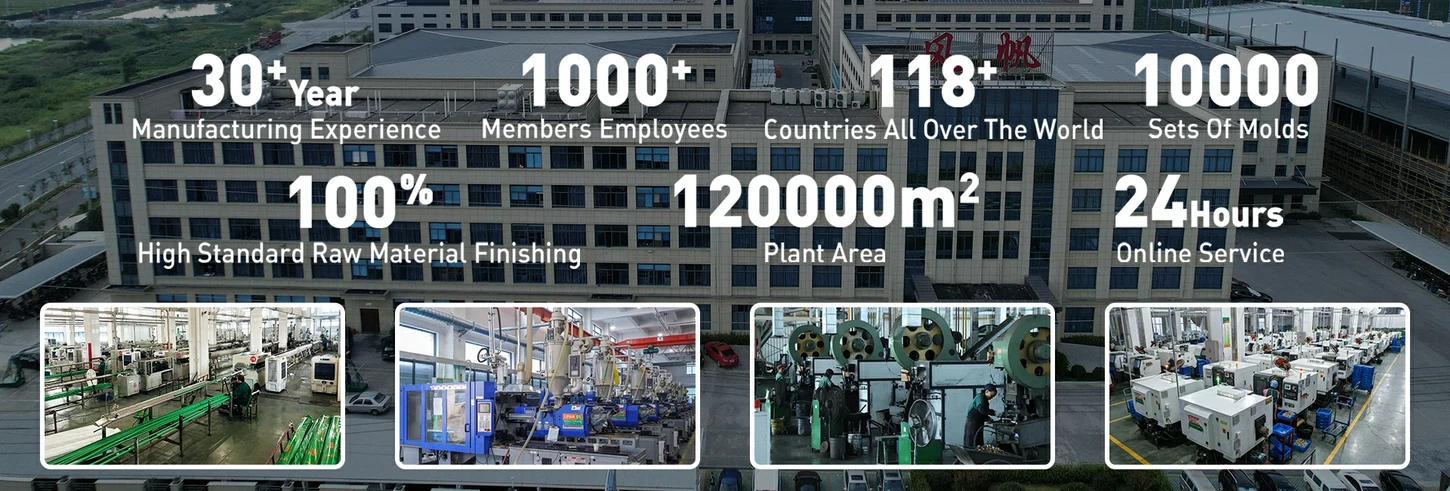
The IFAN factory was established in 1993 and has a 120,000 square meter workshop with 610 employees. IFAN can design and produce all plumbing pipes and fittings, including PPR, PVC, CPVC, PPSU, HDPE, PEXA, PEXB, PERT, brass fittings, brass ball valves, heating systems, gas systems, faucets, and sanitary hoses.
Need product recommendations?
IFAN VR Factory (Click Here For A 360° Tour Of IFAN Factory/Workshop)
Contact IFAN Supplier
Phone:+86 15088288323
Email:Sales24-Ifan@Ifangroup.Com