
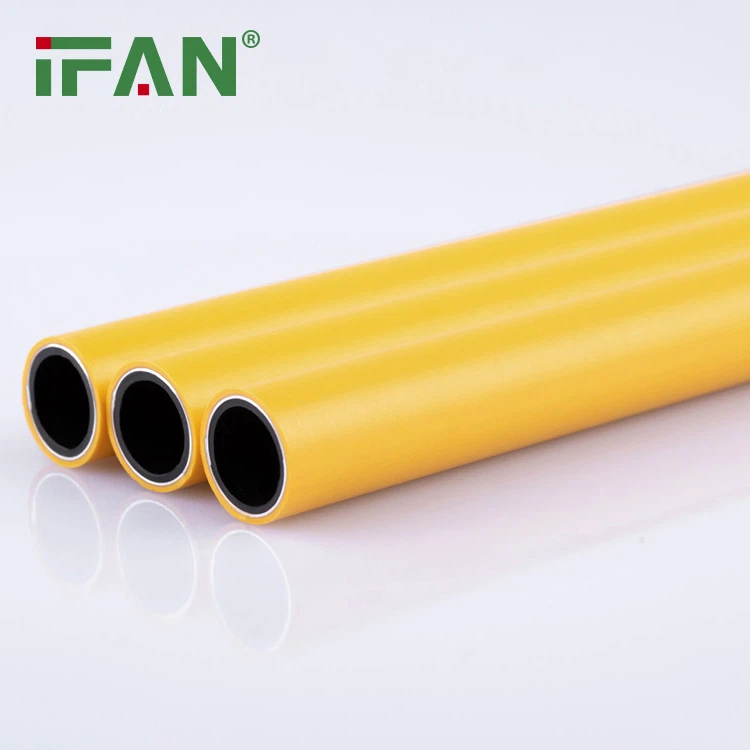
ASTM F1281 PEX pipe has revolutionized modern plumbing due to its flexibility, durability, and ease of installation. However, a key component of any PEX plumbing system is the PEX pipe fittings. These fittings are critical for connecting PEX pipes to each other and to plumbing fixtures. Whether you're replacing old pipes or installing a new plumbing system, understanding PEX pipe fittings is essential for ensuring a reliable and leak-free water system. In this article, we will explore what PEX pipe fittings are, the different types available, and how to properly install them.
What Are PEX Pipe Fittings?
ASTM F1281 PEX pipe fittings are the connectors used to join lengths of PEX piping together, or to connect PEX pipes to other materials like copper, PVC, or metal fixtures. They ensure a secure, leak-free connection and help direct the flow of water throughout the plumbing system. PEX pipe fittings come in a variety of shapes and sizes, depending on the type of plumbing system and the materials involved.
Unlike traditional piping systems that require soldering or threading, PEX pipe fittings use a simpler system of crimping, clamping, or push-to-connect methods for installation. This makes PEX fittings easier to work with, even for DIY enthusiasts, and reduces the risk of leaks.
Types of PEX Pipe Fittings
PEX pipe fittings are available in several types, and the choice of fitting depends on the method of installation and the materials being connected. Here are the most common types of PEX fittings:
1. Crimp Fittings
Crimp fittings are one of the most popular methods for connecting PEX pipes. These fittings require a crimp tool to secure the PEX pipe to the fitting with a metal ring (also called a crimp ring). The crimp tool compresses the ring, making a tight seal that holds the PEX pipe securely onto the fitting.
Crimp fittings come in various materials, including brass, copper, and stainless steel. The crimping method ensures a durable and long-lasting connection. Crimp fittings are best for PEX-A pipes, which are highly flexible and can handle the crimping process without damage.
Pros of Crimp Fittings:
Affordable and widely available
Secure, leak-free connection when installed correctly
Ideal for both residential and commercial plumbing
Cons of Crimp Fittings:
Requires a crimping tool, which adds to installation time and cost
Installation mistakes, such as over-tightening, can cause leaks
2. Clamp Fittings (Cinch Clamp Fittings)
Clamp fittings, or cinch clamp fittings, use a cinch clamp (similar to a hose clamp) to secure the PEX pipe onto the fitting. The clamp is tightened using a special cinching tool, creating a strong, secure connection. Cinch clamp fittings are often favored for their ease of use and reliability.
Clamp fittings are also widely compatible with various PEX types, including PEX-A, PEX-B, and PEX-C. These fittings work well for both indoor and outdoor plumbing systems, as they offer a secure, long-lasting connection.
Pros of Clamp Fittings:
Faster and easier to install than crimp fittings
No special crimping tool is required-just the cinching tool
Suitable for all types of PEX piping
Cons of Clamp Fittings:
Cinch tool is necessary for installation
Requires proper tension to ensure leak-free connections
3. Push-to-Connect Fittings
Push-to-connect fittings, or push-fit fittings, are the easiest and most convenient type of PEX pipe fittings. They do not require any tools, crimping, or clamps. Instead, you simply push the PEX pipe into the fitting, and an internal mechanism locks the pipe in place. These fittings provide a fast and reliable method of joining PEX pipes.
Push-to-connect fittings are often used for quick repairs or in areas where ease of installation is critical, such as tight spaces or difficult-to-reach areas. They are compatible with all types of PEX pipe and can be used for both potable water and radiant heating systems.
Pros of Push-to-Connect Fittings:
No tools or special equipment needed for installation
Fast and easy to install
Ideal for DIY projects and repairs
Cons of Push-to-Connect Fittings:
Higher cost compared to crimp or clamp fittings
Not as widely used in large-scale installations as other fittings
4. Barbed Fittings
Barbed fittings are another type of PEX fitting that uses a barbed design to grip the inside of the PEX pipe. To install these fittings, you insert the barbed end of the fitting into the PEX pipe and secure it with a hose clamp. The barbs create a tight connection with the inner walls of the pipe, ensuring a leak-free seal.
Barbed fittings are typically used for smaller plumbing applications, such as connecting appliances or fixtures. They are affordable and effective for most residential plumbing systems.
Pros of Barbed Fittings:
Simple and cost-effective
Reliable for smaller-scale plumbing systems
Easy to install with just a hose clamp
Cons of Barbed Fittings:
Requires hose clamps, which can be tricky to tighten correctly
Not ideal for large-scale or high-pressure systems
5. Threaded Fittings
Threaded fittings are used to connect PEX pipes to metal pipes or plumbing fixtures that have female threads. These fittings feature male threads that screw directly into the corresponding female threads, creating a secure connection.
Threaded fittings are commonly used when connecting PEX to other types of plumbing materials like copper, steel, or PVC. These fittings are useful for transitioning between different types of pipe materials.
Pros of Threaded Fittings:
Great for transitioning between PEX and other materials like copper
Reliable, strong connection
Cons of Threaded Fittings:
Requires proper thread sealing to avoid leaks
More complicated installation compared to crimp or clamp fittings
How to Install PEX Pipe Fittings
Installing PEX pipe fittings is relatively easy, but proper installation is essential to avoid leaks and ensure the system's longevity. Here's a general guide to installing PEX fittings:
Prepare the PEX Pipe
Cut the PEX pipe to the desired length using a PEX cutter. Make sure the cut is clean and square to avoid damaging the fitting.
Insert the Fitting
For crimp, clamp, or barbed fittings, slide the fitting into the PEX pipe. For push-to-connect fittings, simply push the pipe into the fitting until it's securely in place.
Secure the Connection
For crimp and clamp fittings, use the appropriate tool to tighten the ring or clamp securely. For barbed fittings, place a hose clamp around the pipe and tighten it to ensure a tight seal.
Test for Leaks
Once the installation is complete, turn on the water and check for leaks. If any are found, tighten the fittings further or recheck the installation for errors.

Advantages of Using PEX Pipe Fittings
PEX pipe fittings offer numerous advantages in plumbing systems:
Ease of Installation: PEX fittings are easy to install with minimal tools and effort, especially when using push-to-connect or clamp fittings.
Cost-Effective: PEX fittings are generally less expensive than traditional copper or brass fittings, making them a budget-friendly option for homeowners and contractors.
Flexibility: The flexibility of PEX allows for fewer fittings and easier installation in tight spaces, reducing the complexity of plumbing systems.
Long-Lasting and Leak-Proof: When installed correctly, PEX fittings provide a secure, leak-free connection that can last for many years.
Conclusion
PEX pipe fittings are an essential part of any PEX plumbing system. From crimp fittings to push-to-connect options, there's a fitting designed for every type of installation and budget. Whether you're working on a simple repair, a DIY project, or a large-scale plumbing installation, understanding the different types of PEX pipe fittings and how they function will help you create a secure and efficient plumbing system. By choosing the right fittings and following proper installation procedures, you can ensure a long-lasting, leak-free plumbing system that will serve your home or business for years to come.