In piping systems, PP (Polypropylene) is a type of thermoplastic polymer frequently used in various residential, commercial, and industrial plumbing and fluid transport applications. Polypropylene pipes and fittings are chosen for their numerous advantages, particularly in situations where chemical resistance, durability, and cost-efficiency are needed. Here's a detailed look at why PP piping is popular and where it's used:
Exceptional Chemical Resistance: Polypropylene piping is highly resistant to a wide range of chemicals, including acids, alkalis, and solvents. This resistance makes it an ideal choice for applications involving chemical transport or wastewater management, where corrosive substances might otherwise degrade traditional metal pipes. PP piping's resistance to rusting and corrosion further adds to its durability.
Temperature Tolerance: While not as high-temperature-resistant as some specialty materials, polypropylene can handle moderately high temperatures-up to around 90°C (194°F). This makes it suitable for transporting both hot and cold fluids, which is useful in residential water systems, radiant heating applications, and some industrial fluid processes. For higher temperatures, PP can sometimes be combined with other materials to enhance its heat tolerance.
Durability and Flexibility: Polypropylene is highly durable and impact-resistant, even in low temperatures. Its flexibility allows it to absorb vibrations and handle movements, which can be beneficial in applications where there are frequent pressure changes or where the piping might be subject to slight shifts or vibrations, as in industrial and manufacturing settings.
Lightweight and Cost-Efficient: Compared to traditional materials like copper or steel, polypropylene pipes are much lighter, making them easier to handle, transport, and install. This reduces labor costs and makes PP an economical choice for large-scale projects, such as water distribution networks and irrigation systems.
Eco-Friendly and Sustainable: Polypropylene is fully recyclable, which means PP piping can contribute to sustainability goals by reducing waste and minimizing environmental impact. Many manufacturers use recycled PP to produce new piping, adding an environmental benefit and making it an appealing option for eco-conscious projects.
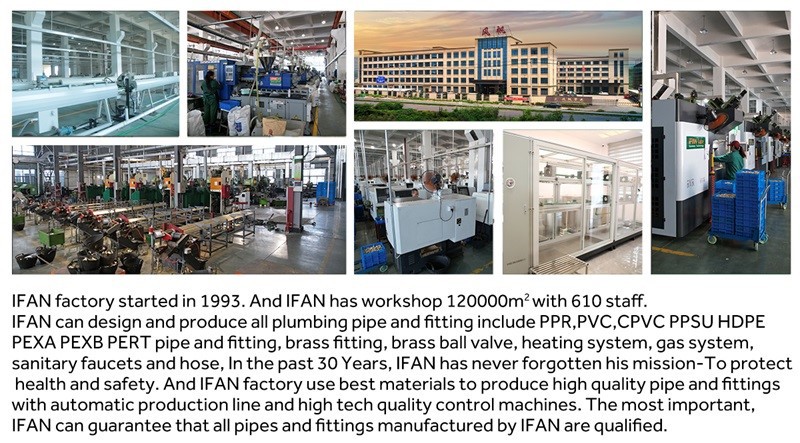
Click here to watch videos and related information about our factory!
Click here for product catalog and samples!

Common Applications of PP Piping
PP piping is used in a wide variety of settings, including:
Residential and Commercial Plumbing: Hot and cold water supply, wastewater systems, and HVAC applications.
Agricultural Irrigation: Given its resistance to chemicals, PP is ideal for delivering fertilizers and pesticides.
Industrial and Chemical Processing: Suitable for transporting chemicals, solvents, and corrosive fluids in factories and labs.
Wastewater Treatment: Resistant to sewage and waste chemicals, PP piping is a popular choice for wastewater plants.
In summary, polypropylene (PP) piping offers a versatile, durable, and economical option suitable for a broad range of applications due to its chemical resistance, heat tolerance, durability, and eco-friendly properties.
Contact IFAN
Phone:+86 15088288323
Email:sales24-ifan@ifangroup.com