Difference Between a Filter Valve and a Check Valve
Filter Valve and Check Valve are both important components in fluid systems, but they serve completely different purposes. Here's a breakdown of their differences:
1. Primary Function
Filter Valve
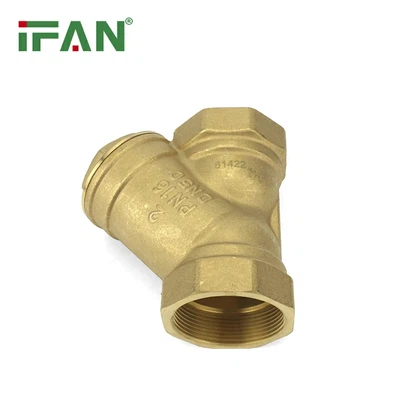
A filter valve removes solid particles, debris, or impurities from the fluid using a built-in mesh or filter screen.
Its primary role is to ensure clean fluid flow and protect downstream components like pumps, valves, and appliances from clogging or damage.
Check Valve
A check valve prevents backflow in a system, ensuring fluid flows in only one direction.
Its main purpose is to protect equipment and maintain system efficiency by stopping reverse flow that could cause contamination or pressure issues.

2. Design and Mechanism
Filter Valve
Includes a mesh or screen filter inside a housing.
May feature a valve mechanism to control or stop fluid flow.
Often comes with a removable or replaceable filter for easy cleaning and maintenance.
Check Valve
Typically includes a spring-loaded disc, ball, or flapper that opens to allow flow and closes to prevent backflow.
Operates automatically based on fluid pressure and does not require manual control.
3. Applications
Filter Valve
Used in plumbing, irrigation, HVAC systems, and industrial processes to ensure clean fluid flow.
Commonly installed at the inlet of appliances, pumps, or pipelines.
Check Valve
Used in water pumps, wastewater systems, oil and gas pipelines, and HVAC systems to prevent reverse flow.
Often installed in vertical or horizontal pipelines where backflow could harm the system.
4. Maintenance
Filter Valve
Requires regular maintenance to clean or replace the filter screen.
Easy to access and service without significant system disruption.
Check Valve
Requires minimal maintenance, as it operates automatically.
May need occasional inspection to ensure the valve isn't stuck open or closed.
5. Typical Materials
Filter Valve
Often made of brass, stainless steel, or plastic for durability and corrosion resistance.
Check Valve
Available in materials like brass, stainless steel, cast iron, or plastic, depending on the fluid and application.
Summary Table
| Feature | Filter Valve | Check Valve |
|---|---|---|
| Function | Filters debris and controls flow | Prevents backflow |
| Operation | Manual or semi-automatic | Fully automatic |
| Key Component | Filter screen | Disc, ball, or flapper |
| Maintenance | Regular cleaning required | Minimal maintenance |
| Applications | Plumbing, irrigation, HVAC | Water pumps, wastewater systems |
Conclusion
While a filter valve focuses on ensuring clean fluid flow by removing impurities, a check valve ensures unidirectional flow and prevents backflow. Both are essential components for maintaining the efficiency and safety of fluid systems, but they serve distinct roles. Understanding these differences helps in selecting the right valve for specific applications.
Contact IFAN
Phone:+86 15088288323 Email:sales24-ifan@ifangroup.com