PP (Polypropylene) pipe and PE (Polyethylene) pipe are both thermoplastic materials commonly used in various piping applications. However, they differ significantly in terms of material properties, applications, and advantages. Below is a detailed comparison to help understand their distinctions.
1. Material Composition
PP Pipe (Polypropylene)
Made from polypropylene, a rigid thermoplastic polymer.
Known for its high resistance to heat and chemicals.
More crystalline in structure compared to PE.
PE Pipe (Polyethylene)
Made from polyethylene, a versatile thermoplastic polymer.
Comes in different densities: HDPE (High-Density Polyethylene), MDPE (Medium-Density Polyethylene), and LDPE (Low-Density Polyethylene).
Offers flexibility and impact resistance.
2. Key Properties
| Property | PP Pipe | PE Pipe |
|---|---|---|
| Flexibility | Rigid, less flexible | Highly flexible, especially LDPE |
| Temperature Tolerance | Handles higher temperatures (up to 100°C) | Suitable for lower temperatures (up to 60°C) |
| Chemical Resistance | Excellent for acidic and basic environments | Good but less resistant compared to PP |
| Durability | Resistant to pressure and heat aging | Excellent impact and crack resistance |
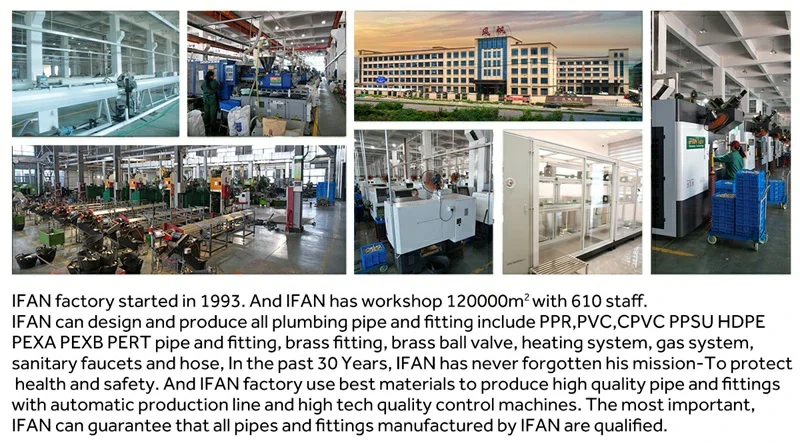
Click here to watch videos and related information about our factory!
Click here for product catalog and samples!

3. Applications
PP Pipe Applications:
Hot water systems.
Industrial chemical transport.
HVAC (Heating, Ventilation, and Air Conditioning) systems.
Food-grade piping due to its non-toxic nature.
PE Pipe Applications:
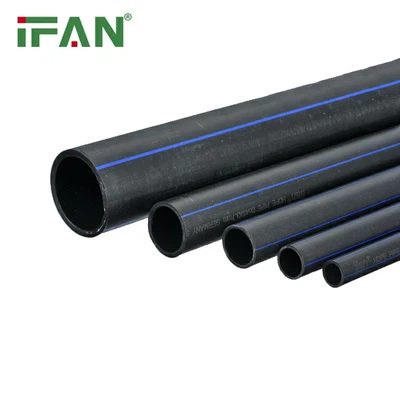
Water supply and irrigation.
Gas distribution (HDPE pipes).
Drainage systems.
Underground piping due to its flexibility and toughness.
4. Advantages
PP Pipe Advantages:
Better for applications requiring high-temperature resistance.
Excellent chemical resistance for corrosive substances.
Lightweight and easy to install.
PE Pipe Advantages:
Superior flexibility for bending and installation in uneven terrains.
Exceptional impact resistance.
Long service life in outdoor or underground settings.
5. Limitations
PP Pipe:
Brittle in extremely low temperatures.
Requires careful handling to avoid cracking under impact.
PE Pipe:
Lower resistance to high temperatures.
More prone to deformation under prolonged pressure.
Conclusion
The choice between PP and PE pipes depends on the specific application requirements:
Choose PP pipes for high-temperature and chemical-resistant applications like hot water systems and industrial transport.
Opt for PE pipes for flexible, impact-resistant, and long-lasting solutions, especially in water supply, gas distribution, and underground systems.
Both materials offer distinct advantages, making them valuable options in modern piping solutions.
Contact IFAN
Phone:+86 15088288323
Email:Sales24-Ifan@Ifangroup.Com