What is the PEX Controversy?
PEX (cross-linked polyethylene) piping has become a popular choice in the plumbing industry for its flexibility, affordability, and ease of installation. However, despite its many advantages, there has been some controversy surrounding the use of PEX piping in certain regions and applications. The concerns stem from its long-term safety, environmental impact, and durability. In this article, we'll explore the key points of the PEX controversy.
1. Health and Safety Concerns
One of the main aspects of the PEX controversy is related to potential health risks. Some studies have suggested that PEX piping might leach harmful chemicals into drinking water, particularly in the early stages after installation. These concerns revolve around chemicals like methyl tertiary-butyl ether (MTBE) and other volatile organic compounds (VOCs) that can affect water taste, smell, and potentially safety. However, the majority of tests conducted on PEX pipes have shown that the levels of these chemicals are minimal and usually decrease over time.
Additionally, PEX piping is resistant to bacteria growth, which makes it a safer option in terms of preventing contamination compared to some other piping materials. This property is particularly important for systems that transport drinking water.
Click here to watch videos and related information about our factory!
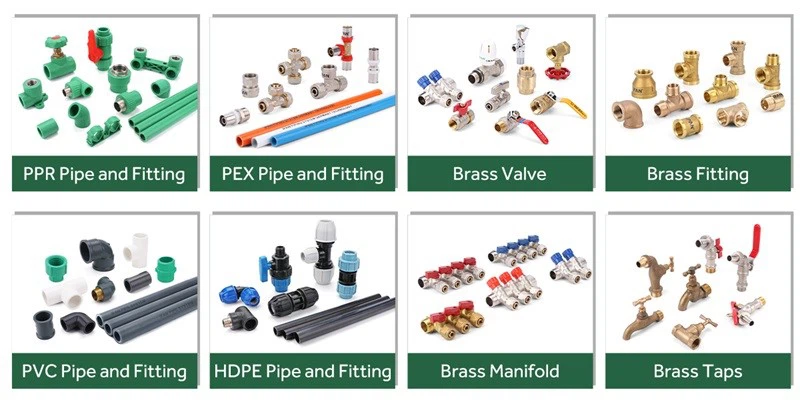
Click here for product catalog and samples!
2. Environmental Impact
The environmental impact of PEX piping is another point of controversy. PEX is made from petroleum-based materials, leading some environmental advocates to question its sustainability. Since PEX pipes cannot be recycled into new PEX products, their disposal can contribute to landfill waste. However, PEX pipes generally have a long lifespan, reducing the need for frequent replacements compared to other materials like copper or PVC. This durability can offset some of the environmental concerns associated with its production and disposal.
3. Durability Issues
PEX is known for its flexibility and resistance to freezing temperatures, but there have been concerns about its long-term durability, particularly in areas with extreme heat. Some homeowners and plumbers have reported issues with the piping degrading when exposed to direct sunlight or high chlorine levels in water. However, PEX manufacturers have responded to these concerns by developing UV-resistant coatings and improved formulations for areas with higher chlorine concentrations.
4. Code and Regional Restrictions
In some regions, local building codes restrict or ban the use of PEX piping due to concerns about its safety and longevity. For example, some states in the U.S. initially had regulations that limited PEX use in plumbing systems, though many of these restrictions have since been lifted as more studies have confirmed its safety.
Conclusion
The PEX controversy revolves around concerns related to health, environmental impact, and long-term durability. While there have been some criticisms, the majority of studies show that PEX is a safe and reliable option for modern plumbing systems. As with any material, it's important to use PEX appropriately, following manufacturer guidelines and local building codes to ensure the best performance over time. Despite the controversy, PEX continues to be a widely used material, thanks to its ease of installation, cost-effectiveness, and flexibility.
We still have a series of products. If you are interested in our products, please click here and contact us. Thank you!
Contact IFAN
Phone:+86 15088288323 Email:sales24-ifan@ifangroup.com