
There are many connection methods between polyethylene PE pipes and PE pipes, PE pipes and PE pipe fittings, PE pipes and PE fittings, and polyethylene pipes and metal pipes. Different connection methods have their own advantages and limitations. Users can follow Choose the appropriate connection method for the environment such as pipe diameter, working pressure, and use place. However, it is strictly forbidden to directly machine pipe threads on polyethylene pipes and fittings in any form, and use threaded connections; it is strictly forbidden to use open flame to bake polyethylene pipes and fittings and directly connect them.
The most commonly used connection methods for urban water supply polyethylene pipes are: hot-melt connection, electro-fusion connection, socket flexible connection, flange connection, steel-plastic transition joint connection, etc.
Hot melt connection:
Hot-melt connection is to use a special heating tool to heat the polyethylene pipe or pipe fittings to be connected under pressure to melt, remove the heating tool, apply pressure to connect the two melting surfaces together, and maintain it under a stable pressure For a while, until the joint cools. Hot-melt connection includes hot-melt butt connection, hot-melt socket connection, and hot-melt saddle connection.
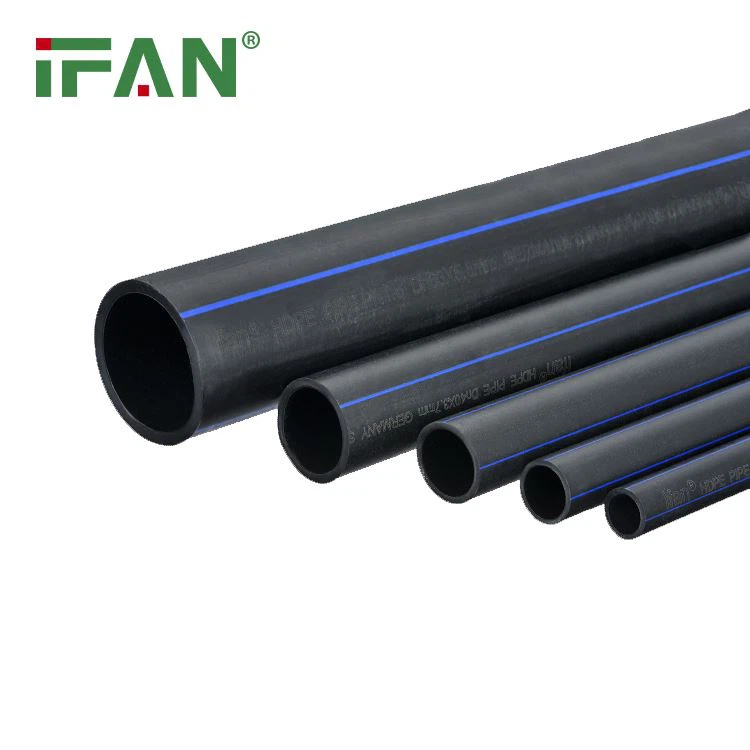
Electrofusion connection:
The electric fusion connection is to use a special electric fusion pipe with embedded resistance wire to closely contact the connection part of the pipe or pipe fitting and energize, and the connection part is heated by the embedded resistance wire to melt and connect until the joint cools. Electrofusion connection can be used to connect with different types of polyethylene pipes or socket pipe fittings with different melt flow rates. Electrofusion connection is divided into electrofusion socket connection and electrofusion saddle connection.
Socket flexible connection:
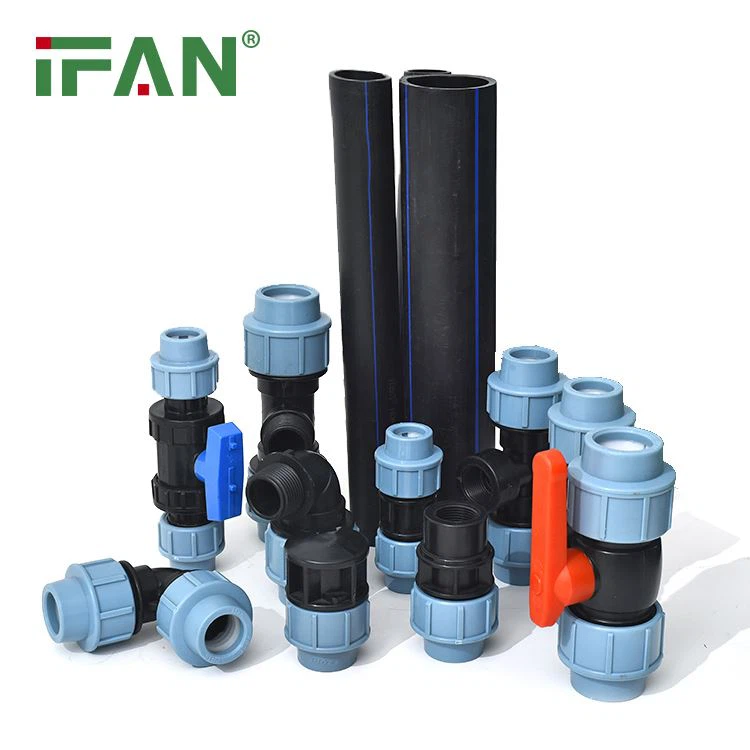
Polyethylene pipe socket flexible connection is a new type of connection developed by referring to the socket flexible connection principle of cast iron pipe and polyvinyl chloride pipe (PVC U). It is welded with a reinforced polyethylene pipe at one end of the polyethylene pipe. Socket. The socket type flexible connection is to insert one end of the polyethylene pipe directly into the special socket of the pipe or fitting, and the locking ring in the socket is used to compress the anti-pull, and the rubber seal ring is compressed and sealed to achieve the purpose of connecting the pipe and the pipe.
Flange connection:
Flange connections are mainly used to connect polyethylene pipes and metal pipes or valves, flow meters, pressure gauges and other auxiliary equipment. Flange connections are mainly composed of polyethylene flange connections, steel or aluminum back pressure looper flanges, steel or aluminum flange sheets, gaskets or sealing rings, bolts, nuts, etc. Flange connection is achieved by tightening bolts and nuts to make the flange connection and the flange sheet come into close contact.
Steel-plastic transition joint connection:
The steel-plastic transition joint connection uses cold-pressed or other prefabricated steel-plastic transition joints to connect polyethylene pipes and metal pipes. The steel-plastic transition joint has pull-resistant locking rings and sealing rings, which are usually required to have good sealing performance, pull-out resistance, and pressure resistance than the polyethylene pipes in the system.