
Importance of Proper Alignment
Properly aligning PVC fittings is crucial for ensuring a leak-free and efficient plumbing system. Misaligned fittings can lead to leaks, stress on the pipes, and potential system failure. Here are the steps to achieve perfect alignment when working with PVC pipes and fittings.
Preparation and Planning
Measure Twice, Cut Once
Accurate measurements are the foundation of a well-aligned PVC system. Measure the lengths of the pipes carefully before cutting. Double-check your measurements to avoid mistakes.
Marking the Pipes and Fittings
Before applying any adhesive, dry fit the pipes and fittings together. Use a permanent marker to draw alignment marks on both the pipe and the fitting. These marks will serve as a guide when you assemble the pieces with cement.
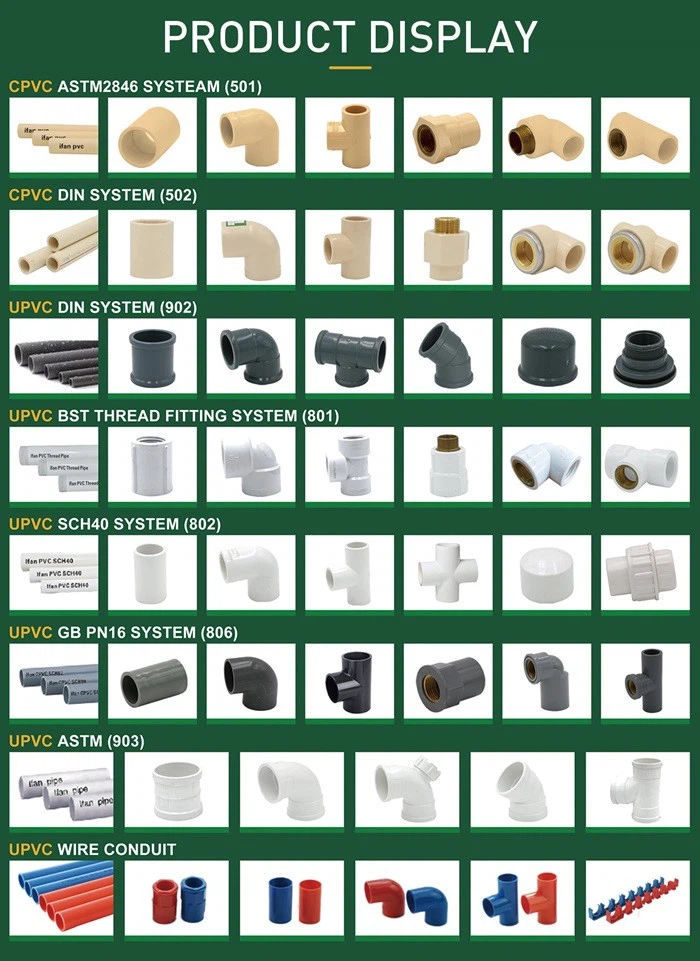
Assembling the Fittings
Applying Primer and Cement
Clean the pipe ends and fitting interiors with a PVC cleaner. Apply primer to both surfaces to prepare them for cement. After the primer is tacky, apply PVC cement to both the pipe and the fitting.
Aligning and Assembling
Quickly insert the pipe into the fitting, aligning the marks you made earlier. Push and twist the pipe slightly to ensure an even distribution of cement. Hold the pipe in place for about 30 seconds to allow the cement to set. The alignment marks should match perfectly, ensuring the proper orientation.
Final Adjustments and Curing
Making Final Adjustments
Once the cement has set, double-check the alignment. Minor adjustments can be made within a few seconds of joining, but after that, the bond will start to harden. Ensure the pipes are straight and the fittings are at the correct angles.
Allowing for Cure Time
Give the assembled fittings sufficient time to cure. Generally, the joints should cure for at least 15 minutes before handling and 24 hours before exposure to water pressure. This curing period ensures a strong, leak-free bond.
Testing the System
Conducting a Leak Test
After the curing period, turn on the water supply to test for leaks. Check each fitting for any signs of leakage. If leaks are detected, reapply the cement and ensure the alignment is correct.
Conclusion
Lining up PVC fittings requires careful planning, precise measurements, and attention to detail. By following these steps-measuring, marking, applying primer and cement, aligning, and allowing for proper curing-you can achieve a reliable and efficient PVC plumbing system.