
Introduction to PVC Pipe Connections
Connecting PVC pipes properly is essential for ensuring a leak-free and durable plumbing system. PVC, or polyvinyl chloride, is widely used in various plumbing applications due to its durability, cost-effectiveness, and ease of installation. Whether you're working on a home improvement project or a larger plumbing job, knowing the best techniques for connecting PVC pipes is crucial.
Preparing the Pipes
Cutting the Pipe
Start by measuring and cutting the PVC pipe to the desired length. Use a fine-toothed saw or a PVC pipe cutter for a clean, straight cut. Ensure that the edges are smooth and free of burrs by using sandpaper or a deburring tool.
Cleaning and Dry Fitting
Before gluing, clean the ends of the pipes and fittings with a PVC cleaner or a rag to remove any dirt, grease, or moisture. Dry fitting, which involves assembling the pipes and fittings without glue, helps ensure a proper fit. Mark the alignment on the pipes and fittings to make sure everything is in place when you start gluing.
Contact IFAN
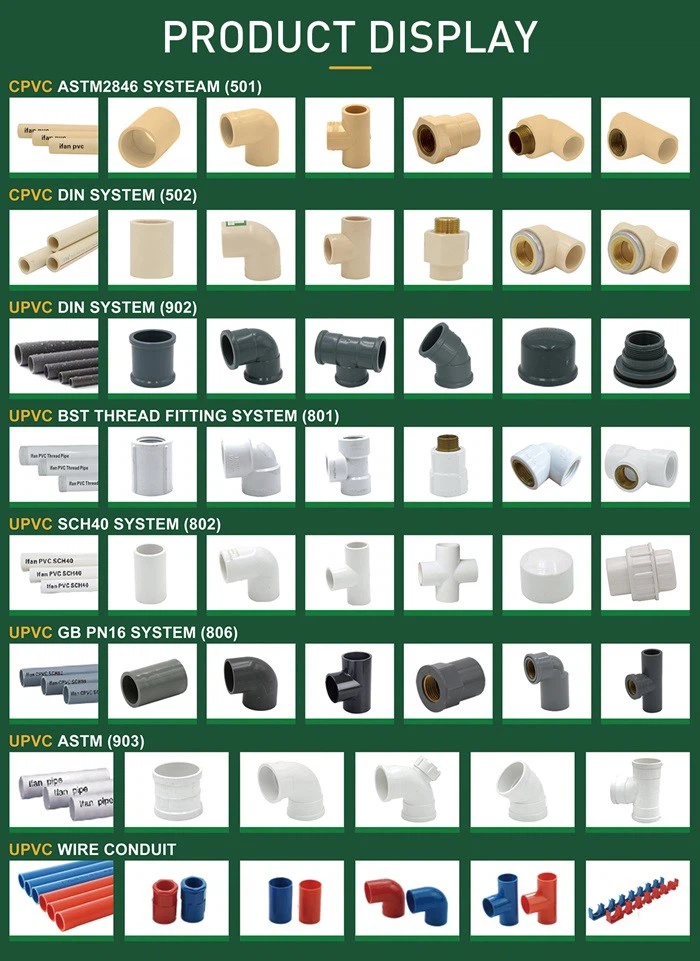
IFAN is one of the best Piping manufacturers in China, the main products include PPR, PEX,PVC,PP pipes and fittings, Brass Fittings/valves/faucets and so on.
Phone:+86 15088288323 Email:sales24-ifan@ifangroup.com
The Gluing Process
Applying Primer
Primer softens the PVC surface, allowing the cement to create a strong bond. Apply a generous coat of primer to both the outside of the pipe and the inside of the fitting. Let it sit for a few seconds until it becomes tacky.
Applying Cement
Once the primer is ready, apply PVC cement to both the primed areas. Work quickly, as the cement dries fast. Ensure even coverage on both surfaces to create a solid connection.
Assembling the Pipe and Fitting
Immediately after applying the cement, push the pipe into the fitting with a slight twist. This twisting motion helps spread the cement evenly and ensures a secure bond. Hold the connection together for about 30 seconds to allow the cement to set. Wipe away any excess cement with a rag.
Final Steps
Curing Time
Allow the joint to cure for at least 15 minutes before handling, and wait at least 24 hours before exposing it to water pressure. This curing time ensures that the bond is strong and leak-free.
Testing the Connection
After the curing period, test the connection by turning on the water supply and checking for leaks. If any leaks are found, reapply the cement and ensure the pipe and fitting are properly aligned.
Conclusion
Connecting PVC pipes involves careful preparation, the right materials, and proper techniques. By following these steps-cutting, cleaning, priming, applying cement, and allowing adequate curing time-you can achieve reliable and leak-free PVC pipe connections.