PVC fittings are an essential component of many plumbing systems, offering durability, ease of installation, and cost-effectiveness. Proper installation and maintenance are crucial for ensuring the long-term performance and reliability of PVC fittings. This guide will walk you through the correct methods for installing and maintaining PVC fittings, offering tips and examples for achieving optimal results.
1. Introduction to PVC Fittings
PVC (Polyvinyl Chloride) fittings are widely used in residential, commercial, and industrial plumbing systems. These fittings come in various shapes and sizes, designed to connect pipes and manage water flow efficiently. PVC fittings are chosen for their affordability, ease of installation, and resistance to corrosion. However, for the fittings to function properly and last long, correct installation and regular maintenance are essential.
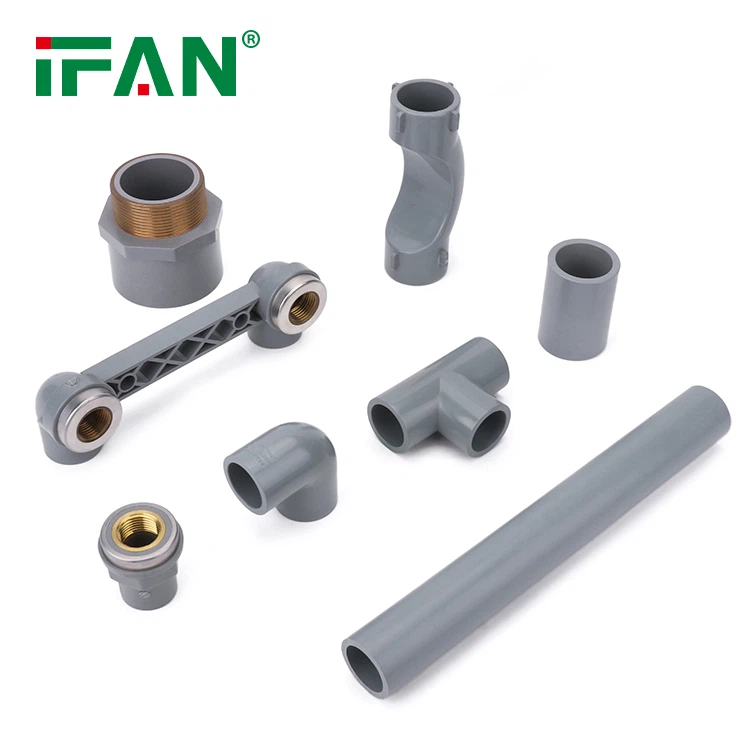
Proper installation begins with choosing the right fittings for your needs. For example, you may need elbows, tees, or couplings, depending on the layout of the plumbing system. Understanding how to use each fitting correctly ensures the system's efficiency and minimizes potential problems.
2. Preparing for PVC Fitting Installation
Before installing PVC fittings, it's essential to gather the necessary tools and materials. These include PVC pipes, fittings, PVC primer, solvent cement, a hacksaw, measuring tape, and a deburring tool. Also, make sure to wear safety gloves and goggles to protect yourself during the installation process.
The first step in preparation is measuring and cutting the PVC pipe to the appropriate length. Use a hacksaw for clean, straight cuts. After cutting, it's important to smooth the edges with a deburring tool to prevent any sharp edges from damaging the seals and fittings.
3. Installing PVC Fittings Step by Step
Installing PVC fittings is a relatively simple process if done correctly. Here is a step-by-step guide to ensure a secure and leak-free connection:
Dry Fit the Fittings: Before applying any glue or solvent, dry fit the pipe and fitting together to ensure they fit snugly. This allows you to make any adjustments if necessary.
Apply PVC Primer: Use a PVC primer on the outside of the pipe and the inside of the fitting. The primer helps soften the plastic, allowing the cement to bond effectively.
Apply PVC Solvent Cement: After priming, apply an even layer of PVC solvent cement to both the pipe and the fitting. Work quickly, as the cement sets fast.
Join the Pipe and Fitting: Insert the pipe into the fitting, twisting it slightly to ensure an even spread of cement. Hold the connection in place for a few seconds to ensure a tight bond.
Allow the Cement to Cure: Follow the manufacturer's recommendations on curing time. Typically, you'll need to wait at least 15-30 minutes before handling the pipe, and 24 hours for full curing.
4. Proper Sizing and Selection of PVC Fittings
Selecting the right size of PVC fittings is critical to ensure a proper installation. The fitting should match the pipe's diameter and thickness. For example, if you're using 1-inch diameter PVC pipe, you need 1-inch diameter fittings.
In addition to size, consider the type of fitting you need. There are various fittings, including elbows, tees, couplings, and adapters. Each fitting has a specific function, such as turning the direction of flow or connecting multiple pipes. Choose the fitting based on your system requirements and the layout.
5. Common Installation Mistakes to Avoid
When installing PVC fittings, certain mistakes can compromise the system's functionality. Some of the most common errors include:
Using Incorrect Primer or Cement: Ensure you're using the correct type of PVC primer and solvent cement for the pipes and fittings you're using. Different grades and formulations are available for various applications.
Over-tightening Connections: Avoid over-tightening PVC connections. PVC fittings are designed to create a tight seal when the pipe is inserted, but excessive force can cause cracking or weakening of the pipe.
Neglecting to Clean and Deburr Pipes: Failing to clean the pipes and remove burrs can cause damage to the seal, leading to leaks over time. Always clean the edges before fitting.
Skipping Dry Fit: Never skip the dry fit process. This allows you to verify that the fittings are correct before applying glue, saving you time and material.
6. Maintaining PVC Fittings for Longevity
Once installed, PVC fittings require minimal maintenance. However, ensuring their longevity and performance involves regular checks and basic upkeep.
Inspect Regularly for Leaks: Periodically check the PVC fittings for signs of leaks or damage. A small leak can quickly lead to bigger issues, so addressing it early can save you from costly repairs.
Clean and Clear Clogs: While PVC fittings are resistant to clogging, debris can still accumulate over time. Regularly inspect your system for blockages, especially in high-traffic areas.
Avoid Direct Sunlight Exposure: UV rays can degrade the material over time, causing it to become brittle. Where possible, shield exposed PVC fittings from direct sunlight. UV-resistant coatings are available for additional protection.
Prevent Freezing: In colder climates, ensure that PVC pipes and fittings are properly insulated to prevent freezing. Frozen pipes can crack, leading to expensive damage.

7. Troubleshooting Common Issues with PVC Fittings
Even with proper installation and maintenance, issues may arise. Some common problems with PVC fittings include:
Leaking Joints: If a joint is leaking, the cause could be an incomplete bond between the pipe and fitting. This may happen if the primer or cement wasn't applied properly. To fix this, you may need to cut out the damaged section and reinstall it with fresh cement.
Cracked Fittings: Cracking often occurs due to external stress or exposure to extreme temperatures. To prevent cracking, avoid applying excessive force when handling or installing PVC fittings.
Loose Connections: Over time, connections can loosen due to vibration or movement. Regularly check connections and tighten as needed.
8. Benefits of Proper Installation and Maintenance
Proper installation and maintenance of PVC fittings can greatly extend their lifespan. When PVC fittings are correctly installed, they are less likely to experience issues such as leaks or cracks, ensuring a reliable and long-lasting plumbing system.
Maintaining your PVC fittings by performing regular checks also prevents costly repairs. Timely intervention can save you from significant water damage or the need to replace fittings prematurely.
9. Conclusion
Installing and maintaining PVC fittings correctly is essential for ensuring their durability and reliability. By following the proper steps during installation and conducting regular maintenance checks, you can extend the lifespan of your plumbing system. Always use the right materials and tools, avoid common installation mistakes, and ensure proper care for your fittings. By doing so, you'll enjoy a hassle-free and efficient plumbing system that performs reliably for years to come.