PVC fittings have become a cornerstone in various plumbing systems due to their durability, affordability, and efficiency. However, their environmental benefits and sustainability are also increasingly recognized. As demand for eco-friendly building materials rises, understanding how PVC fittings contribute to sustainability becomes crucial. This article explores the environmental advantages of PVC fittings, focusing on their durability, recyclability, and energy efficiency.
1. Introduction to PVC Fittings
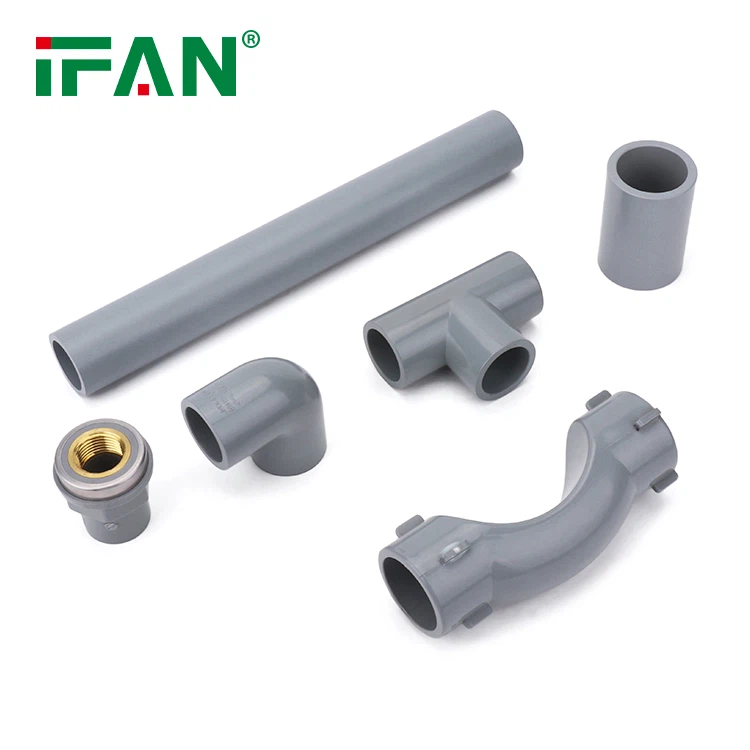
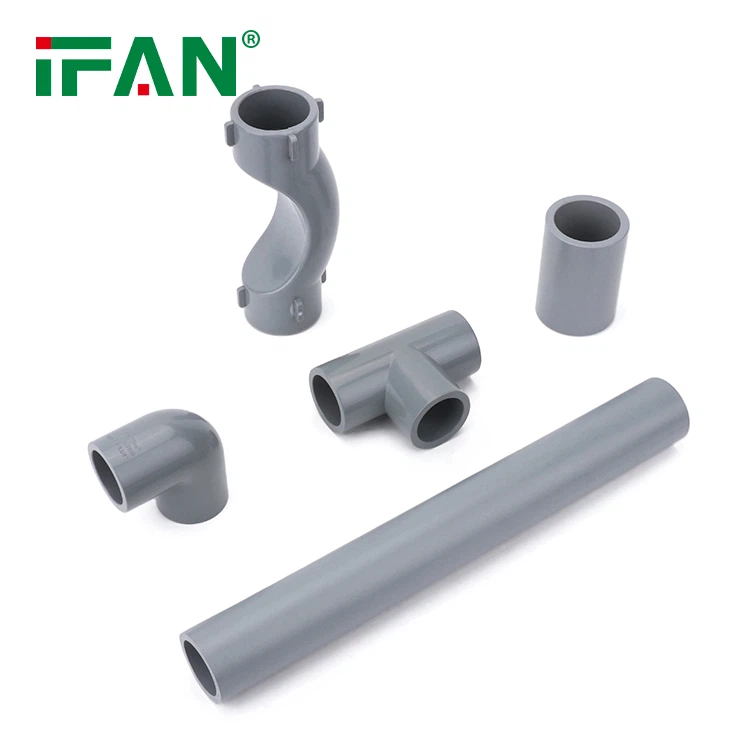
Polyvinyl chloride (PVC) is one of the most commonly used plastics in the world. It's found in a wide range of applications, from plumbing systems to construction materials. PVC fittings, in particular, are vital components in plumbing systems. They connect pipes, manage water flow, and help prevent leaks. The long-term performance and reliability of PVC fittings make them a preferred choice for both residential and industrial applications.
Besides their functional role, PVC fittings offer significant environmental benefits, including their recyclability and energy efficiency. They contribute to sustainability through their production, use, and disposal processes.
2. Durability and Longevity of PVC Fittings
One of the key environmental benefits of PVC fittings is their exceptional durability. These fittings are resistant to corrosion, rust, and chemical reactions, which are common issues with metal fittings. As a result, PVC fittings last much longer, reducing the need for replacements and minimizing waste.
A longer lifespan also means fewer resources are used over time. In plumbing systems, this translates into fewer repairs and replacements, which not only saves money but also reduces the environmental impact of manufacturing new materials. By lasting for decades, PVC fittings help conserve resources, making them an environmentally responsible choice.
3. Recyclability of PVC Fittings
PVC fittings are highly recyclable, which significantly contributes to their sustainability. When these fittings reach the end of their life cycle, they can be collected, cleaned, and processed to create new PVC products. Recycling PVC helps reduce waste and the demand for raw materials, further decreasing the carbon footprint associated with production.
Recycling PVC fittings also prevents them from ending up in landfills, where they can take hundreds of years to decompose. According to the Vinyl Institute, about 40% of PVC products are already being recycled in North America. The recycling process for PVC fittings requires less energy compared to producing new materials, making it a more sustainable option overall.
4. Lower Carbon Footprint in Manufacturing
The manufacturing process of PVC fittings is energy-efficient compared to other materials like metal or concrete. PVC production requires less energy, which translates to a lower carbon footprint. The energy savings during manufacturing are significant, as PVC fittings use less raw material and energy than their counterparts.
Additionally, the use of PVC in plumbing systems helps reduce the need for other materials that have higher environmental impacts. For example, metal pipes and fittings require more energy to produce and contribute more to environmental degradation during their manufacturing and disposal processes. In contrast, PVC fittings help minimize these negative effects, offering a more eco-friendly option.
5. Energy Efficiency in Transportation
Another environmental advantage of PVC fittings is their lightweight nature. These fittings are much lighter than metal or concrete counterparts, making them easier and cheaper to transport. The lower weight not only reduces transportation costs but also helps decrease fuel consumption, thereby lowering the carbon emissions associated with shipping and logistics.
The efficiency in transportation also makes it more affordable to distribute PVC fittings, contributing to the overall affordability and accessibility of plumbing materials. This reduction in transportation-related environmental impact further supports the argument for using PVC fittings in construction and industrial applications.
6. Sustainability Through Water Conservation
PVC fittings contribute to water conservation by being part of highly efficient plumbing systems. The corrosion resistance and leak-proof nature of PVC fittings ensure that water is not wasted due to pipe failure or leaks. This helps conserve precious water resources, which is especially important in regions that face water scarcity.
Moreover, the long lifespan of PVC fittings means that plumbing systems can operate effectively for decades without needing significant repairs or replacements. This results in fewer disruptions and ensures that water systems continue to function at their highest efficiency, further contributing to water conservation.
7. The Role of PVC Fittings in Green Building Projects
PVC fittings are a popular choice for green building projects due to their eco-friendly properties. Many modern construction projects aim to reduce their environmental impact by using sustainable materials, and PVC fits into this paradigm. Its long lifespan, recyclability, and energy efficiency make it an excellent choice for sustainable plumbing systems.
Additionally, PVC fittings contribute to the overall energy efficiency of buildings. Plumbing systems that use durable and long-lasting materials like PVC reduce the need for frequent maintenance, repairs, or replacements, thereby reducing the overall energy consumption associated with these activities.
8. Reducing the Need for New Raw Materials
PVC fittings help reduce the demand for new raw materials, as many of them are made from recycled PVC. By using recycled PVC in manufacturing, the demand for new plastic material is minimized. This helps conserve natural resources, reduces the environmental impact of extraction processes, and lowers the need for energy-intensive plastic production.
The use of recycled materials not only decreases waste but also promotes a circular economy. This system, where materials are reused and recycled, significantly reduces the environmental burden associated with waste disposal and the need for new resources.
9. Environmental Considerations in Disposal
When the time comes for PVC fittings to be disposed of, they do not release harmful chemicals into the environment. Unlike some other materials, PVC fittings do not release toxins into the soil or groundwater when disposed of in landfills. Additionally, as mentioned earlier, PVC is highly recyclable, so it can be repurposed into new products rather than being discarded.
However, for those who are unable to recycle their PVC fittings locally, it is essential to ensure proper disposal to prevent any environmental harm. Many recycling programs now accept PVC products, and efforts are being made globally to improve the infrastructure for PVC recycling.
10. Conclusion
PVC fittings offer substantial environmental benefits, from their durability and recyclability to their energy-efficient production and transportation. These advantages make PVC fittings a sustainable choice for plumbing systems in both residential and industrial applications. With their long lifespan, low carbon footprint, and water-conserving qualities, PVC fittings contribute to a more eco-friendly approach to construction and water management.
As the demand for sustainable building materials continues to rise, PVC fittings will play a key role in reducing environmental impacts. Whether through reducing the need for new raw materials, promoting water conservation, or offering a recyclable solution, PVC fittings provide a viable option for sustainable construction practices. By choosing PVC fittings, we can make a positive impact on the environment while ensuring efficient and reliable plumbing systems for the future.